

Your Designs Called. They Want More Texture.
If you've been scrolling through Instagram, inspiration boards, or bridal magazines lately, you've probably noticed that textures are having a moment. Designs are leaning into dimension, contrast, and tactile interest like never before. Texture is in and it's changing what walks out your door.
Here's a look at the textures defining floral design right now, and the stems that are making it happen.
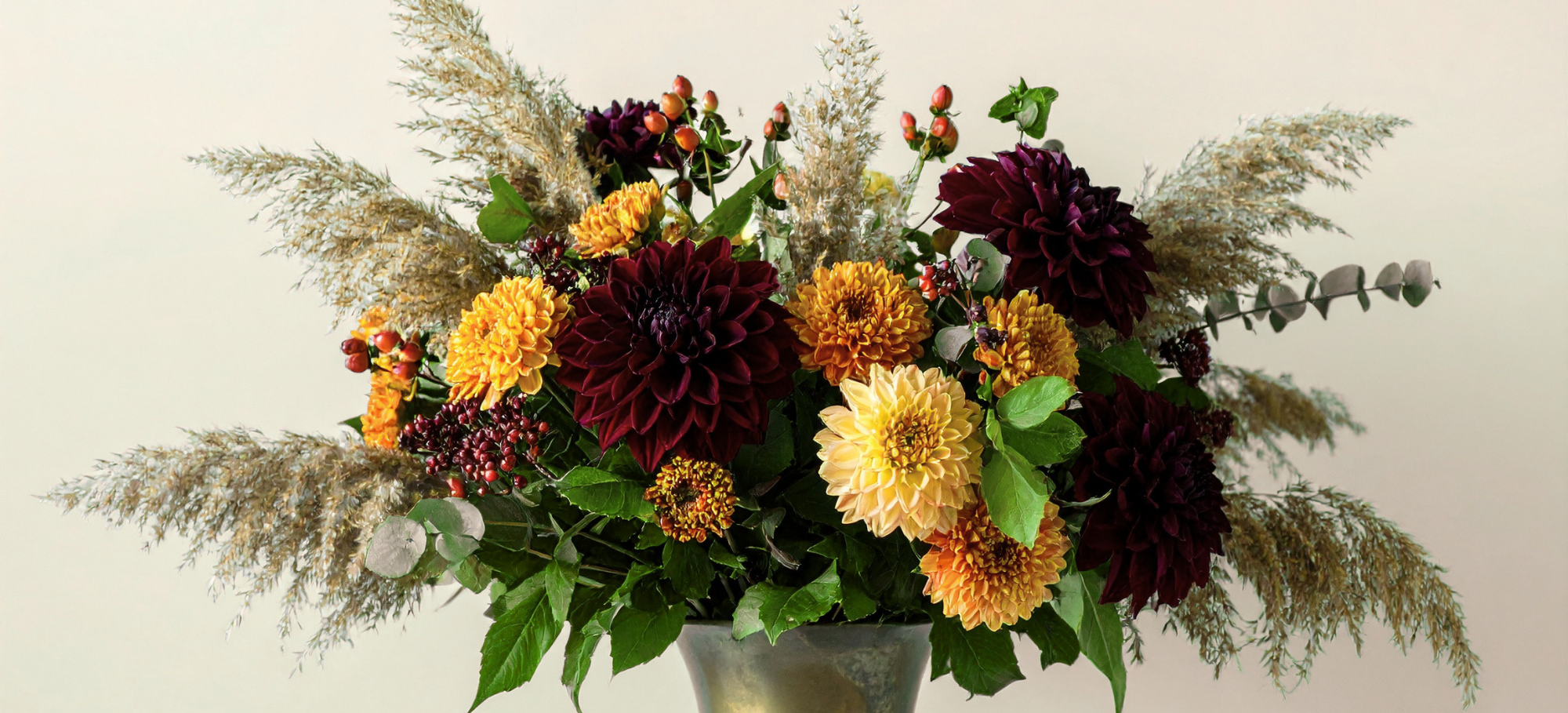
Feathery and Wispy
Think pampas grass, astilbe, and plumosa fern. These airy, movement-driven stems add softness and dimension without competing with focal flowers. A handful of feathery filler can take a tight, structured arrangement and make it feel effortless. For everyday designs and sympathy work, astilbe and plumosa fern are reliable choices that add lightness to any design without adding cost. This look is also growing in popularity with bridal work, where the "just-gathered" garden aesthetic continues to dominate.
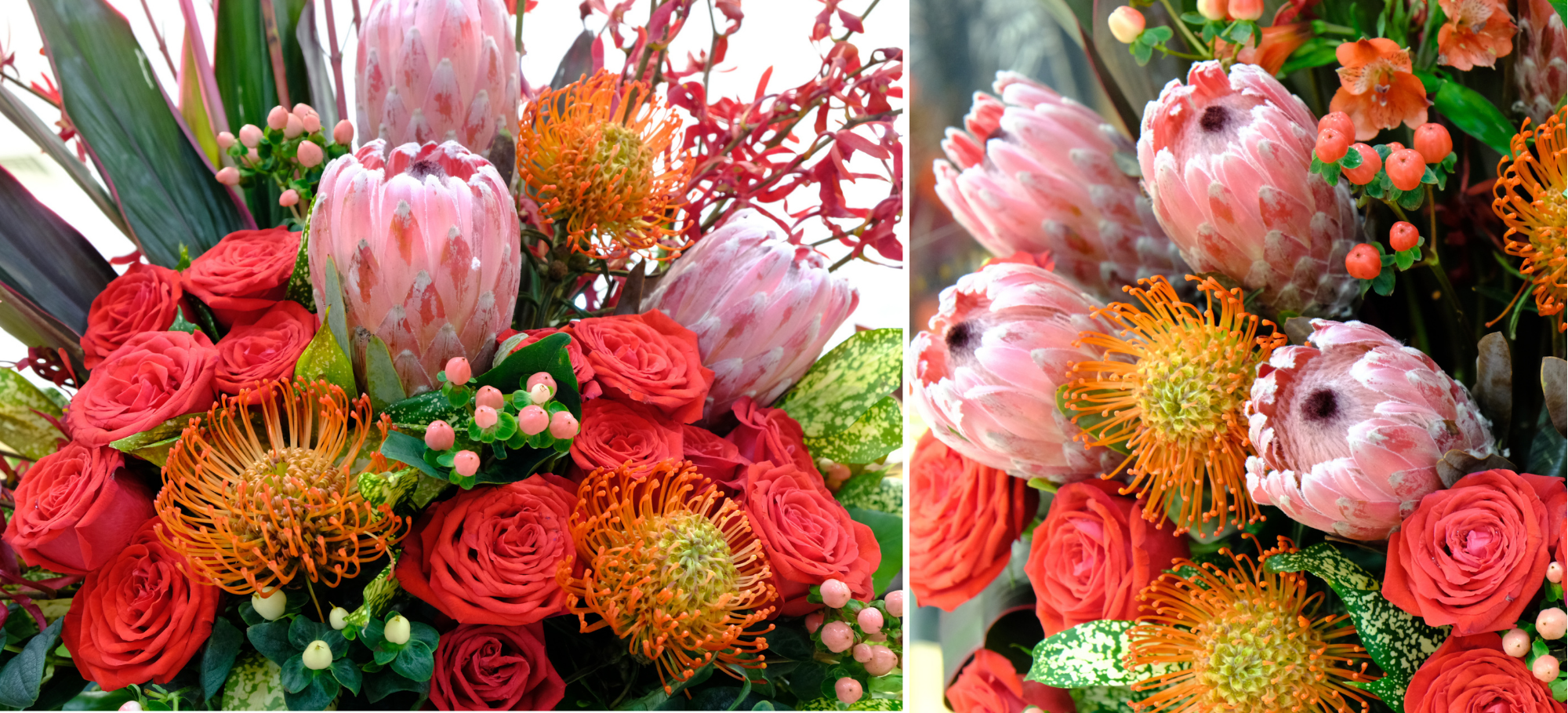
Spiky and Architectural
Eryngium, protea, and ornamental thistles are showing up everywhere, and for good reason. Their sharp, structural forms create contrast against soft, rounded blooms like garden roses and peonies. It’s the difference between a bouquet and a statement. Even in everyday work, a few stems of eryngium tucked into a mixed arrangement add unexpected visual interest that clients notice.
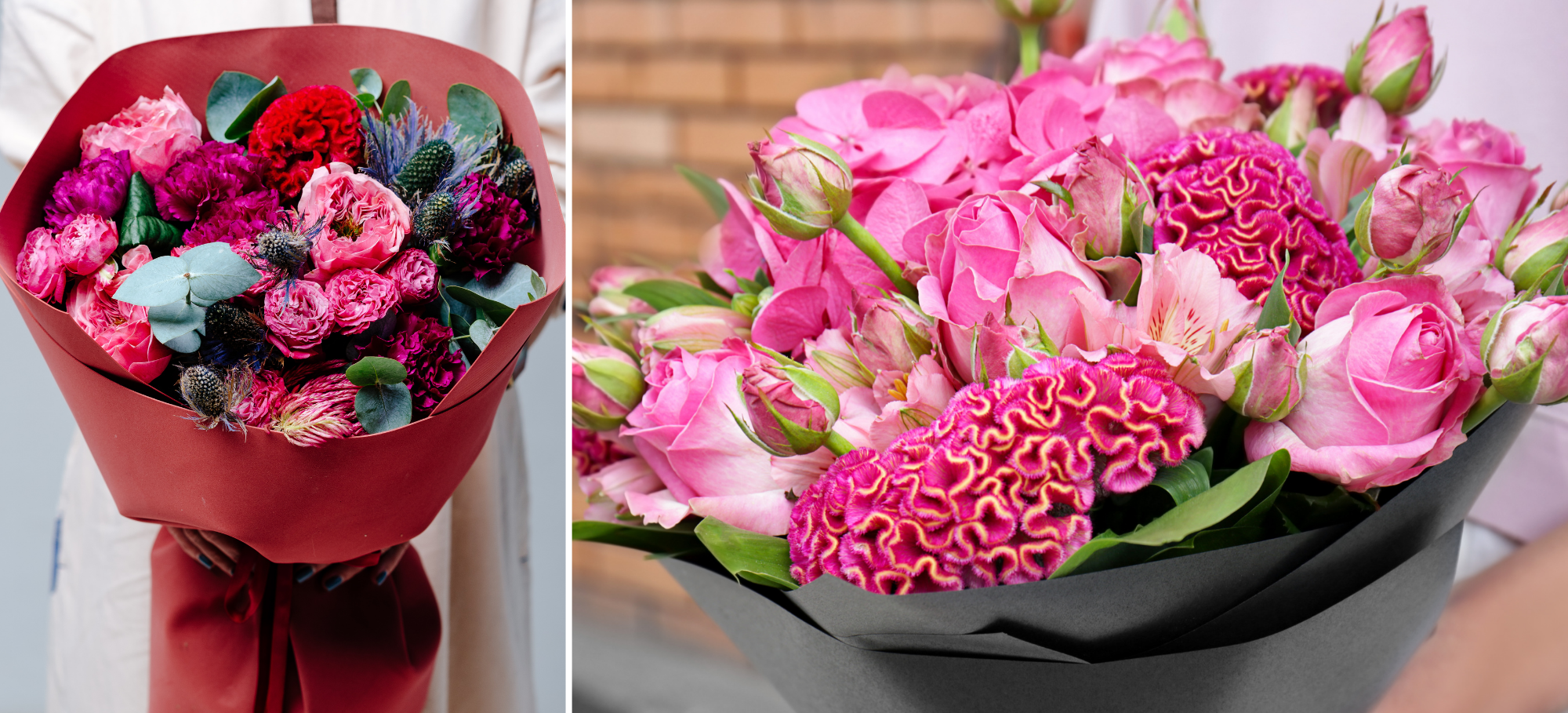
Velvety and Rich
Celosia, garden roses, and double ranunculus bring a lush, tactile quality that photographs beautifully and reads as luxurious in person. The velvety depth of a deep burgundy celosia next to a blush garden rose is the kind of pairing that makes clients stop and stare. This texture is especially helpful in sympathy work, where rich, velvety textures can bring warmth and depth to white and cream arrangements.
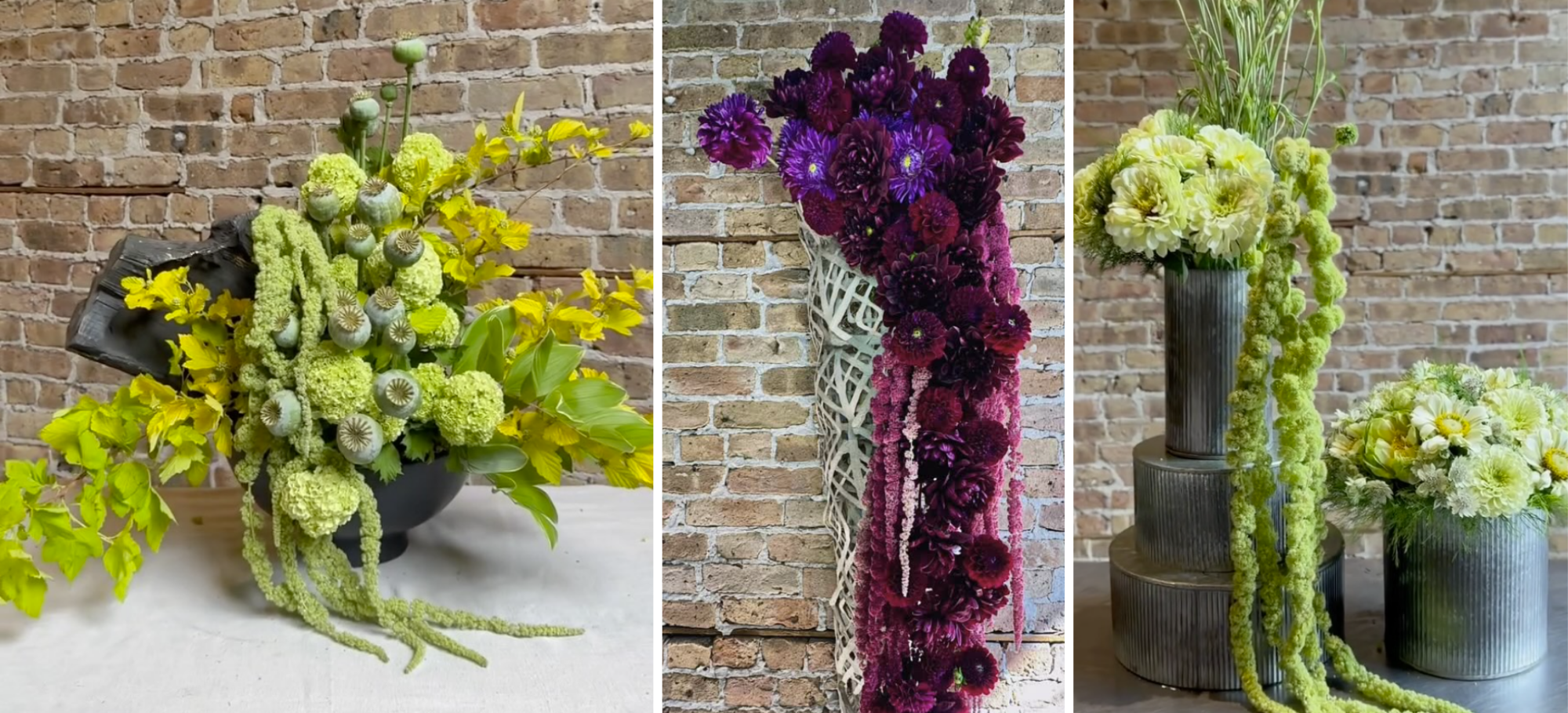
Cascading and Trailing
Want to stop the scroll? Go cascading. Trailing amaranthus, jasmine vine, and hanging hellebores are giving arrangements a sense of movement and drama that static stems simply can't achieve. This texture is showing up in ceremony installations, hanging arrangements, and bridal bouquets where designers want a more organic, unstructured feel. The drama and movement in these designs photograph beautifully and perform well on Instagram.
Putting It Together
The most compelling arrangements right now combine at least two or three of these textures. Think of it like seasoning. One texture is fine, three is a dish worth talking about. The goal is contrast. When every stem in an arrangement has a different surface quality, the whole design comes alive.
Here’s the best part: texture-forward design is actually budget-friendly. Many of the stems driving this trend like astilbe, celosia, and eryngium are affordable fillers that add significant visual impact without significantly increasing your cost of goods.
Stock up on a few texture-forward stems this season and see what your clients say. Your clients won't know why they love it. You will.